
On this page
Shopify Plus is the enterprise-tier evolution of the core Shopify platform, designed to provide high-growth brands with greater scalability and automation. For companies transitioning from mid-market to the lower enterprise segment, the platform offers a compelling balance between SaaS ease of use and expanded technical control. However, determining if it is the right strategic fit for a $100M+ GMV organization requires a deep look at its licensing model, checkout constraints, and the limitations of its mobile experience compared to unified enterprise solutions.
While Plus effectively removes many of the technical hurdles found in standard ecommerce plans, it introduces a specific workflow architecture that teams must navigate. Understanding these features—from expanded location support to advanced staff management—is critical for IT directors and commerce leaders evaluating the platform against alternatives like Supercommerce.
Core Enterprise Features and Extensibility
Shopify Plus operates on a fixed-fee licensing model that differentiates it from standard tiers, providing access to a suite of enterprise tools and priority support. Beyond the base license, the platform extends inventory management capabilities to support multiple locations. This infrastructure is designed to accommodate multi-warehouse setups and retail operations, allowing for centralized inventory routing and local fulfillment strategies across a global footprint.
A defining feature of the Plus tier is the ability to customize the checkout experience through Checkout Extensibility. This framework replaces legacy Liquid files with a modern, upgrade-safe architecture. Developers use Shopify Functions to write custom backend logic—such as unique discount rules, custom shipping rates, or specific payment options—allowing for a more tailored buyer journey. This shift ensures that customizations remain stable during high-traffic events, as the logic runs within Shopify's optimized infrastructure.
Workflow Enhancements for Scaled Operations
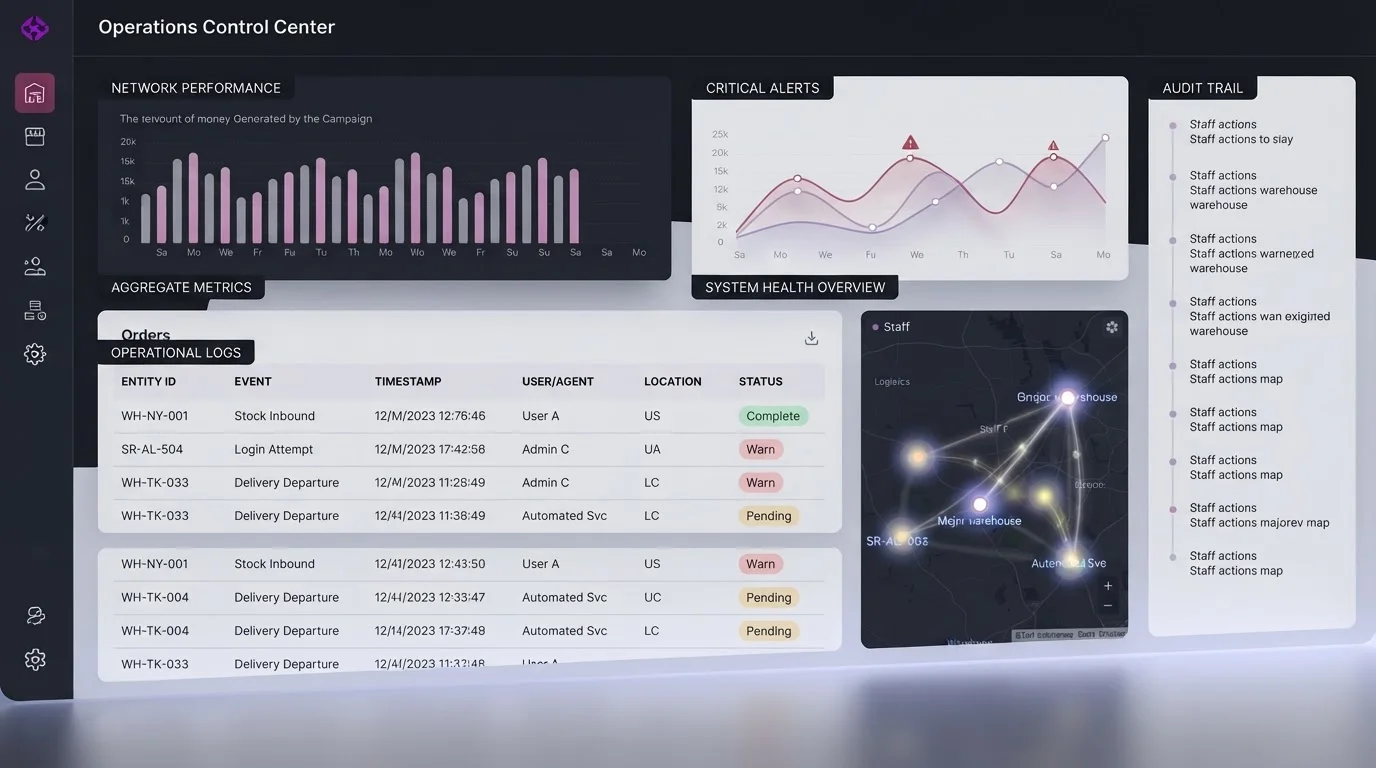
Managing a high-volume store requires operational visibility that goes beyond standard reporting. Shopify Plus introduces organizational settings that centralize user management and application oversight. IT teams can track permission changes and see exactly where apps are active across the storefront, which is essential for maintaining security and auditing the third-party app stack.
Operational efficiency is further bolstered by native tools designed to reduce manual labor in post-purchase workflows. For example, merchants can generate UPS return labels for US domestic orders directly within the Shopify admin, simplifying reverse logistics. For sales teams, the platform enables the creation of shareable payment links and QR codes, allowing reps to close orders quickly through direct digital channels or B2B outreach.
Automation and Staff Management
Scale brings complexity to team management, and Plus addresses this by allowing for unlimited staff accounts with granular, role-based permissions. To streamline onboarding, teams can create, suspend, or reactivate staff accounts in bulk using CSV imports. This functionality significantly reduces the administrative burden for large organizations with rotating regional managers or seasonal support staff.
Automation is handled primarily through Shopify Flow, which utilizes trigger-condition-action logic to handle repetitive tasks. Plus merchants benefit from higher execution limits, ensuring that complex automated workflows—such as fraud detection, inventory alerts, or customer segmentation—run reliably even during peak sales periods.
Evaluating Product Fit: Shopify Plus vs. Supercommerce
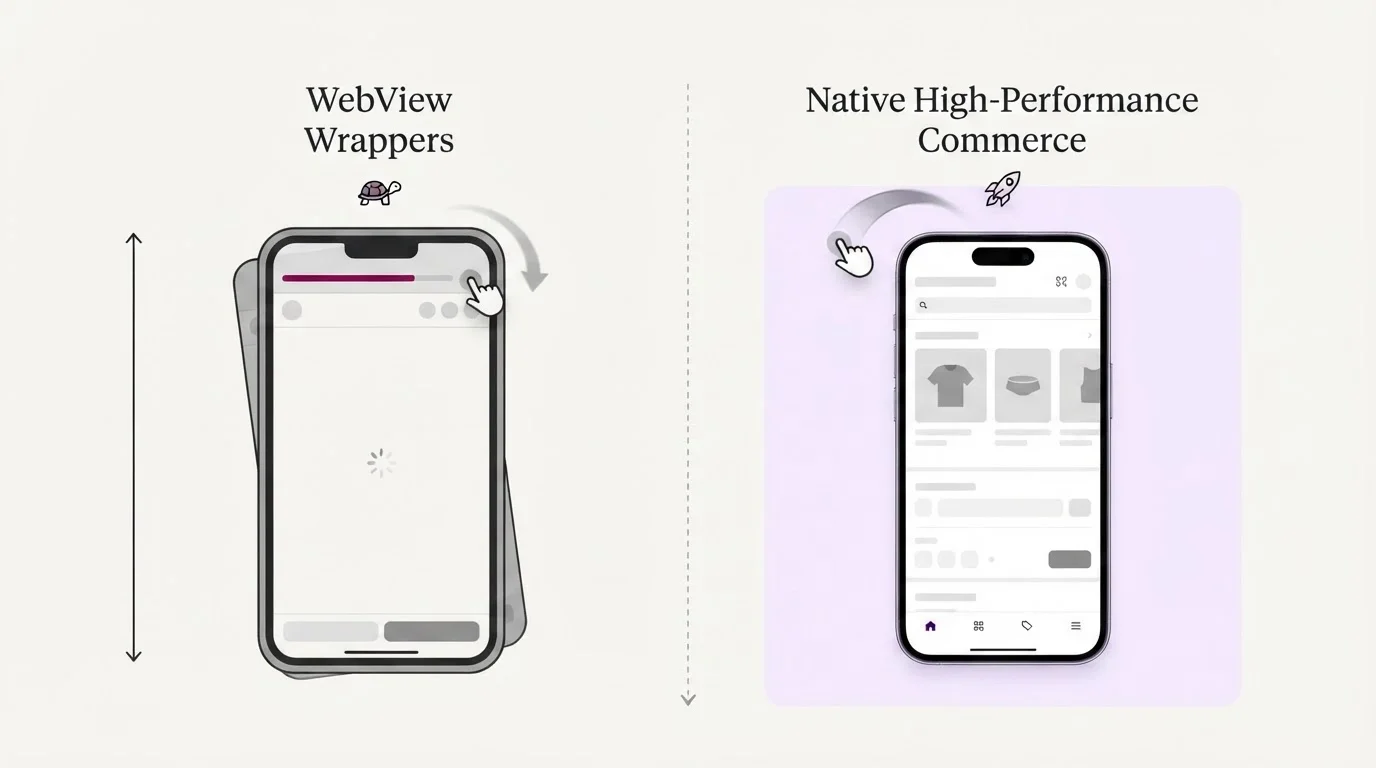
For many brands, Shopify Plus is a logical next step, but category-leading enterprises often encounter a performance and control ceiling. The platform is best suited for businesses that value speed-to-market and a managed SaaS ecosystem. However, companies with complex product catalogs, deeply entrenched legacy system integrations, or a primary focus on mobile conversion may find the standardized approach limiting.
| Feature | Shopify Plus | Supercommerce (Unified) |
|---|---|---|
| Mobile Experience | Responsive Web / WebView Wrappers | Native High-Performance Commerce |
| Architecture | Managed SaaS (Sandboxed) | Unified High-Scale Platform |
| Checkout Logic | Shopify Functions & Extensibility | Full Control & Custom Routing |
| Integration | Shared SaaS REST/GraphQL APIs | Deep ERP & Middleware Integration |
| Scale Target | Mid-Market to Lower Enterprise | $100M+ GMV Large Enterprises |
Strategic Insights for Enterprise Commerce
Receive in-depth perspectives on unified platforms, scalability, and complex integrations for large-scale commerce operations.
When to Move Beyond the Managed SaaS Sandbox
If your business requires a high-performance web storefront and a truly native mobile experience on a single unified architecture, you may have outgrown the Shopify ecosystem. Generic platforms often force large brands to compromise on mobile UX, offering responsive wrappers instead of the gestures and speed that mobile-first customers expect.
Supercommerce is built specifically for this large-scale enterprise segment. Unlike Shopify Plus, which often relies on a fragmented app ecosystem to fill functional gaps, Supercommerce provides a unified solution for web and native mobile commerce. This gives your team the scale, control, and deep integrations needed without the rigidity of a generic SaaS sandbox. If your mobile conversion rate is lagging behind your desktop performance, it is likely a sign that your current platform's mobile strategy is no longer sufficient.
Frequently Asked Questions
Q: Can I customize the checkout in Shopify Plus?
Yes, through Checkout Extensibility and Shopify Functions, which allow for custom logic in an upgrade-safe environment.
Q: Does Shopify Plus support bulk staff management?
Yes, staff accounts can be created, suspended, or reactivated in bulk via CSV import within the Shopify admin.
Q: How does Shopify Plus handle automation?
It uses Shopify Flow, a native automation tool with higher execution limits for Plus merchants to handle complex trigger-action workflows.
Q: What are the limitations for large enterprises?
Potential bottlenecks include the reliance on WebView wrappers for mobile apps and rate limits on shared API infrastructure during heavy data synchronization.
Shopify Plus remains a powerful option for brands transitioning into the mid-market. Its strengths lie in its ease of use, robust automation, and a reliable checkout that converts well for standard operations. By centralizing management and automating complex workflows, it allows teams to focus on growth rather than infrastructure.
However, for category-leading brands processing $100M+ in GMV, the standardized nature of a generic SaaS platform can eventually become a bottleneck. When native mobile performance, deep system integration, and total platform control become the primary drivers of revenue, a unified enterprise commerce solution like Supercommerce is the more strategic investment for long-term scale.